
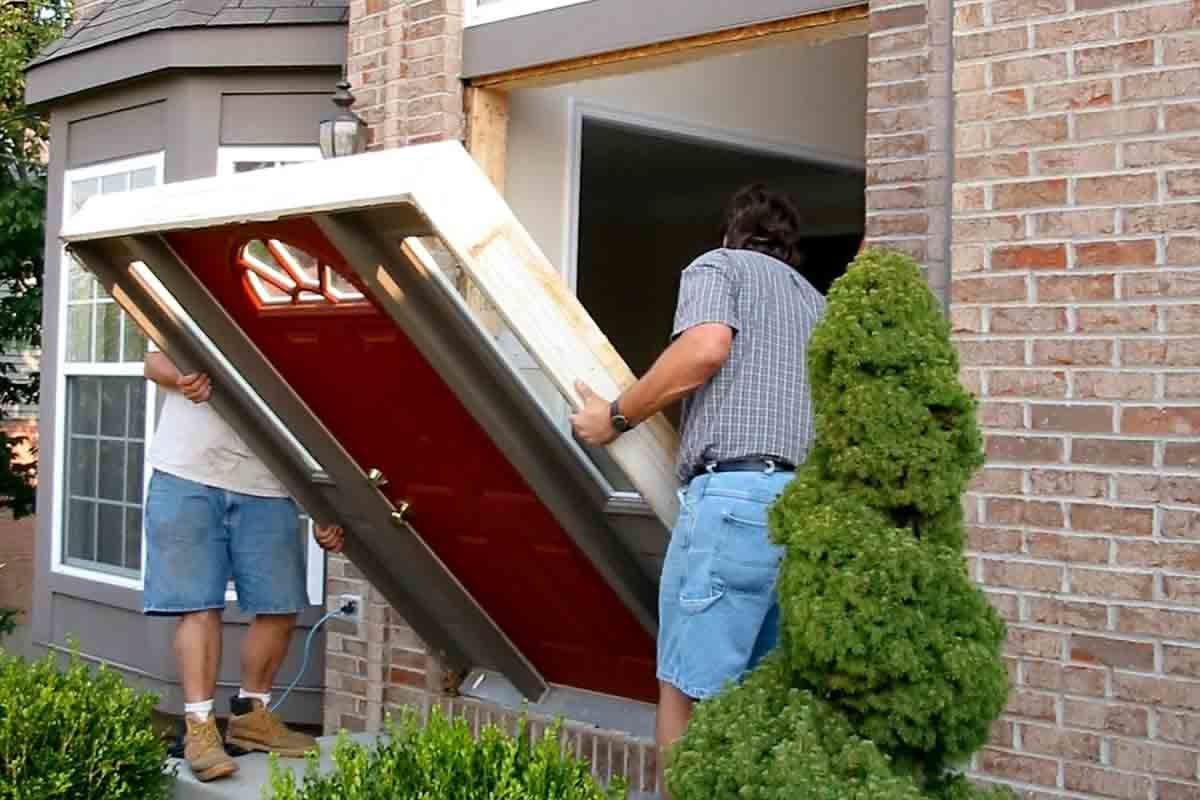
Doors take more daily wear than almost any other part of a home, opening and closing hundreds of times a year while standing between your living space and the outside elements. Yet most homeowners only think about their doors when something goes visibly wrong — a stuck lock, a draft you can feel across the room, or a door that no longer closes flush with the frame. Recognizing the earlier warning signs can save you from dealing with bigger problems like water damage, energy loss, or a security risk you didn’t know you had.
Visible Damage Is the Clearest Sign
The most obvious reason to replace a door is physical damage that’s beyond a simple repair. Warping is common with wood doors exposed to moisture and temperature swings — the door bows or twists slightly out of shape, making it difficult to latch properly or leaving visible gaps around the edges. Cracking and splitting, especially near the bottom of exterior doors where moisture collects, weakens the structure and creates entry points for water and pests. Rust on steel doors, particularly around the bottom edge or hinges, signals that the protective coating has failed and moisture has started working into the metal itself. Once damage reaches this point, patching rarely restores the door’s original strength or appearance.
Drafts and Energy Loss
If you can feel outside air moving around the edges of a closed door, that’s not just uncomfortable — it’s actively costing you money on heating and cooling. Older doors, especially those without proper weatherstripping or with warped frames, lose their seal over time even if they still look fine from a distance. Holding a lit candle or your hand near the door frame on a windy day is a simple way to check for drafts most homeowners can do themselves. A door replacement with modern weatherstripping and proper insulation can noticeably reduce energy bills, especially on frequently used entry doors that face prevailing winds.
Difficulty Opening, Closing, or Locking
A door that sticks, drags across the floor, or requires extra force to open and close is often telling you the frame has shifted or the door itself has warped, even slightly. This isn’t just an annoyance — a door that doesn’t close and latch properly compromises your home’s security, since a door that isn’t fully seated in its frame is far easier to force open. Locks that stick, need to be jiggled, or no longer align with the strike plate point to the same underlying issue: the door and frame are no longer working together the way they were designed to.
Comparing Common Door Materials
Material matters a great deal when deciding what to replace an old door with, since each option comes with different strengths for durability, maintenance, and cost.
| Material | Durability | Maintenance | Energy Efficiency | Typical Cost |
|---|---|---|---|---|
| Wood | Moderate, prone to warping over time | High — needs regular refinishing | Moderate | Mid to high |
| Fiberglass | High, resists warping and cracking | Low | High | Mid to high |
| Steel | Very high, dent-resistant | Low | High with proper insulation | Lower to mid |
| Composite | High, stable in temperature swings | Low | High | Mid range |
Fiberglass and steel doors have become the most popular choices for exterior replacements because they hold up well against New York’s humid summers and cold, damp winters without the maintenance demands of solid wood. Interior doors, where moisture and weather aren’t a factor, still often use wood or composite materials for their appearance and cost-effectiveness.
Security Concerns
An older door — especially one with a weakened frame, worn deadbolt, or hollow-core construction on an exterior entry — is a genuine security gap that many homeowners don’t think about until it’s pointed out. Hollow-core doors, common on older interior doors sometimes mistakenly used on exteriors, offer almost no resistance to forced entry compared to solid-core or steel options. A modern replacement door paired with a properly reinforced strike plate and quality deadbolt meaningfully raises the bar for anyone attempting to force their way in, which matters just as much for a side or garage entry door as it does for the main entrance.
Style and Curb Appeal
Beyond function, doors play a bigger role in a home’s overall look than most homeowners give them credit for. A dated, worn front door can make an otherwise well-maintained home look tired from the street, while a well-chosen replacement — whether that’s a classic paneled wood look, a modern flush design, or a door with glass inserts for natural light — can meaningfully change a home’s curb appeal. This matters even beyond personal enjoyment of the home: real estate professionals consistently point to the front door as one of the highest-visibility, most cost-effective upgrades a homeowner can make before selling.
Interior vs. Exterior Door Replacement
Not every door replacement decision carries the same weight. Exterior doors need to handle weather, security, and insulation, which is why material choice and proper installation matter more here than almost anywhere else in the home. Interior doors face a different set of considerations — sound dampening between rooms, matching the home’s interior style, and smooth operation without the moisture and temperature demands exterior doors face. Homeowners sometimes replace interior doors purely for aesthetic reasons during a broader renovation, while exterior door replacement is more often driven by function — drafts, damage, or security concerns that have become impossible to ignore.
Why Professional Installation Matters
A door that looks fine in the showroom can still perform poorly if it’s not installed correctly, and this is where a surprising number of DIY door replacements run into trouble. Proper installation requires precise measurements, a level frame, correct shimming to prevent warping over time, and careful sealing around the frame to prevent air and water infiltration. A door that’s even slightly out of square will bind, stick, or develop gaps within months, undoing much of the benefit of replacing it in the first place. If you’re noticing any of the warning signs above and are weighing your options, our door replacement services cover everything from measurement through final weatherproofing, for both interior and exterior doors across Staten Island and the surrounding areas.
What to Expect During a Door Replacement Project
A typical door replacement starts with an in-home consultation to measure the existing opening and discuss material, style, and hardware options that fit both the home’s look and the homeowner’s budget. Once the new door arrives, installation for a standard exterior door usually takes a single day, including removal of the old unit, fitting and leveling the new frame, and sealing and finishing the surrounding trim. Interior door replacements are typically faster, especially when the existing frame is in good condition and doesn’t need to be replaced along with the door itself. Cleanup and a final walkthrough close out the job, giving homeowners a chance to test the new door’s operation before the crew leaves.
How Weather Affects Door Lifespan in Staten Island
Staten Island’s climate puts a specific kind of stress on exterior doors — humid summers, cold and often damp winters, and enough seasonal freeze-thaw cycling to gradually work at any weak points in a door’s frame or finish. Wood doors without diligent maintenance are especially vulnerable here, since repeated swelling and shrinking with humidity changes is exactly what leads to warping and cracked finishes over a few seasons. Fiberglass and steel doors tend to hold up better against this kind of climate swing, which is part of why they’ve become the default recommendation for most exterior replacements in the area rather than a matter of personal preference alone. Coastal proximity can also mean slightly more moisture exposure than inland areas, which is worth factoring in when choosing hardware finishes that resist corrosion over time.
Budgeting for a Door Replacement Project
Costs vary based on door material, size, and whether the frame needs replacing along with the door itself. A few line items show up in most quotes: the door unit itself, which varies significantly by material and glass or hardware options; labor for removal and installation; any frame repair or replacement if the existing structure is compromised; and finishing work like trim, caulking, and paint or stain to match the surrounding area. Exterior doors with more complex features — sidelights, transom windows, or custom sizing for older homes with non-standard openings — typically cost more than a standard single door replacement. Getting an itemized quote rather than a single bundled price makes it easier to see exactly where the budget is going and to compare options across different door materials.
Choosing the Right Door for Your Home’s Style
Beyond material and function, the door style itself sets the tone for a home’s entrance. Traditional paneled doors suit older or classic-style homes, while flush or minimalist designs tend to complement more contemporary properties. Glass inserts — whether a small decorative pane or a larger sidelight — bring in natural light without sacrificing security when paired with proper glazing. Color is another consideration many homeowners overlook: a bold front door color can make a home stand out on the block, while a more neutral tone blends with the surrounding architecture. Matching the new door’s proportions and style to the rest of the home’s exterior, rather than choosing purely on price or availability, tends to give the best long-term result both functionally and visually.
Frequently Asked Questions
How long does a typical door last before it needs replacing? Exterior doors generally last 20-30 years depending on material and exposure, while interior doors can last even longer since they don’t face the same weather stress.
Can I replace just the door and keep the existing frame? Sometimes, if the frame is square and in good condition, but a warped or damaged frame usually needs to be replaced along with the door to avoid the same problems recurring.
Will a new door actually lower my energy bills? Yes, particularly if the old door had visible gaps or worn weatherstripping — sealing that kind of air leak is one of the more noticeable, cost-effective energy improvements a homeowner can make.
What’s the difference between solid-core and hollow-core doors? Solid-core doors are heavier, more soundproof, and more secure, making them the standard choice for exterior doors, while hollow-core doors are lighter and more budget-friendly for low-traffic interior use.
Final Thoughts
A door that sticks, drafts, or no longer locks the way it should isn’t just a minor inconvenience — it’s usually a sign that the door is no longer doing its job of keeping your home secure, comfortable, and energy-efficient. Catching these signs early, rather than waiting for a full failure, keeps small problems from turning into bigger, costlier ones. Sino Renovation LLC helps Staten Island homeowners assess whether a door needs repair or full replacement, and handles the entire process from material selection through final installation.