
Stone has a reputation for being permanent, and that reputation is mostly earned. But permanent does not mean maintenance-free, and it certainly does not mean trouble-free in our climate. Staten Island properties deal with freezing winters, coastal humidity, road salt, heavy spring rain, and soil that shifts a little more every year. Put natural or cultured stone through that cycle for a few seasons and small flaws begin to appear.
Most stone work problems start quietly. A hairline crack, a chalky white stain, or a step that feels slightly uneven underfoot is usually the first sign. Left alone, these small issues turn into repairs that cost far more than the original fix would have. This guide explains the seven problems homeowners run into most often on patios, walkways, retaining walls, veneers, and fireplaces, why each one happens, and how it should be corrected so it stays corrected.
The 7 Most Common Stone Work Problems on Staten Island Properties
Before looking at solutions, it helps to understand what is actually going wrong. Almost every failure traces back to one of three root causes: water getting where it should not be, a weak base underneath the stone, or the wrong materials used for the job. Here are the seven problems that show up again and again.
1. Cracked and Shifting Stone
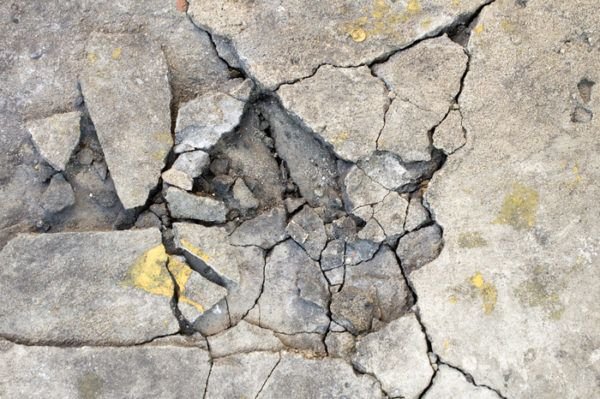
Cracks in a stone patio or walkway rarely appear without a reason. The most common cause is an inadequate base. If the ground was not excavated deeply enough, or the gravel layer was thin or poorly compacted, the stone slowly settles unevenly. Staten Island also has areas with fill soil and clay, both of which move as they absorb and release moisture. Add freeze-thaw cycles, where water gets under the stone, freezes, expands, and then melts, and the surface starts to lift and crack.
2. Crumbling Mortar Joints
Mortar is the first part of a stone installation to wear out. Joints that look sandy, cracked, or recessed deeper than the face of the stone are letting water in. Once moisture reaches the bedding layer or the wall behind the stone, damage speeds up. Old mortar mixes that are too hard for the stone, or too soft for the exposure, make the problem worse. Both lead to the same result: gaps, loose stones, and water intrusion.
3. White Powdery Stains (Efflorescence)
That pale, chalky film on stone or mortar is efflorescence. It happens when water travels through masonry, dissolves natural salts, and leaves them on the surface as it evaporates. It is not harmful by itself, but it is a clear warning that moisture is moving through the wall or patio where it should not be. If the underlying moisture source is not fixed, scrubbing the stain away only buys a few weeks before it returns.
4. Water Pooling and Poor Drainage
Stone surfaces need a slight slope so water runs away from the house. When a patio or walkway is installed flat, or the grade settles toward the foundation, water sits on the surface and drains into the joints. Standing water leads to algae, slippery surfaces, winter ice, and eventually washed-out bedding sand underneath. Drainage mistakes are among the most overlooked stone work problems because they look minor on installation day.
5. Loose or Falling Veneer
Stone veneer on fireplaces, accent walls, and facades depends on proper surface prep and bonding. When veneer pops off, the usual causes are skipped metal lath, the wrong mortar, a dirty or painted substrate, or moisture trapped behind the stone. Exterior veneer without proper flashing and a weep path lets rain get behind it and slowly break the bond. A single loose piece is often the first of many.
6. Leaning or Bulging Retaining Walls
A retaining wall holds back a lot of weight, and soil saturated with water becomes much heavier. Walls built without a footing, without a gravel backfill, or without drain pipe behind them build up pressure that pushes the wall outward. You may notice bulging in the middle, a lean toward the yard, or horizontal cracks. This is a safety issue, not just a cosmetic one, and it gets worse each rainy season.
7. Surface Weathering, Moss, and Spalling
Spalling is when the face of the stone flakes or peels off. Soft or porous stone absorbs water, and that water freezes and breaks the surface apart over time. In shaded or damp areas, moss and algae grow on the stone and hold even more moisture against it. Together, these two issues dull the appearance of the stone and shorten its lifespan.
How Each Stone Work Problem Should Be Fixed
Quick patches rarely last. A proper repair addresses the cause, not only the symptom. If you are weighing whether a repair or a rebuild makes sense, a professional stone work assessment will tell you how far the damage actually goes. Here is what a lasting fix involves for each issue above.
Fixing Cracked and Shifting Stone
- Lift the affected stone and inspect the base underneath.
- Excavate to the correct depth and rebuild with compacted crushed stone in layers.
- Reset the stone on a level bedding layer, then re-joint with the right material.
- Correct the water source if soil washout caused the settling.
Fixing Crumbling Mortar
- Remove failing mortar to a proper depth, usually about twice the joint width.
- Clean out dust and debris before applying anything new.
- Repoint with a mortar mix matched to the stone type and age of the structure.
- Tool the joints so they shed water instead of holding it.
Fixing Efflorescence
- Find and stop the moisture source first, whether it is a leak, bad grading, or open joints.
- Dry brush the powder, then clean with a masonry-safe solution suited to the stone.
- Apply a breathable sealer once the stone is fully dry.
Fixing Drainage Problems
- Regrade the base so the surface slopes away from the house.
- Add drains, French drain lines, or gutter extensions where water collects.
- Replace washed-out bedding material and re-lay the stone.
Fixing Loose Veneer
- Remove loose pieces and check the wall behind for moisture damage.
- Install lath and a scratch coat where they were missing.
- Bond new stones with veneer-rated mortar and add flashing at the top and base on exterior walls.
Fixing Retaining Walls
- Have the wall evaluated early, since leaning walls can fail suddenly.
- Rebuild failed sections on a proper footing with compacted gravel backfill.
- Install perforated drain pipe and weep openings to relieve water pressure.
Fixing Weathering and Moss
- Clean gently with a low-pressure method, because harsh pressure can damage soft stone.
- Treat moss and algae at the source and improve airflow or drainage in shaded areas.
- Seal porous stone with a penetrating sealer that lets moisture vapor escape.
A Real-World Example: The Patio That Kept Sinking
Consider a situation that plays out on Staten Island more often than most people expect. A homeowner installs a bluestone patio behind a 1960s house. For the first two winters, everything looks perfect. By the third spring, one corner has dropped about an inch, two stones are cracked, and white staining runs along the joints near the foundation wall.
The homeowner tries a quick fix. They fill the cracks with a bagged patching compound and scrub the white residue off with a hose and brush. Within two months the cracks reopen and the stains return.
A proper inspection reveals the real story. The original base was only a couple of inches of sand over native soil, with almost no compacted gravel. The patio was also installed nearly flat, so rain from the roof ran toward the house instead of away from it. Water collected under the sinking corner, softened the soil, and carried salts up through the joints, which is what created the white film.
The correct repair involved lifting the patio, excavating the failed base, rebuilding it with compacted gravel in layers, regrading for a gentle slope away from the foundation, and resetting the original stone. Joints were refilled with a durable material, and a breathable sealer was applied after curing. The cost was higher than the patching compound, but the problem did not return. The lesson is simple: treating the surface damage without finding the cause only delays the repair.
Stone Work Problems at a Glance
| Problem | Main Cause | Warning Sign | Lasting Fix |
|---|---|---|---|
| Cracked or shifting stone | Weak base, soil movement, frost | Uneven or lifted surface | Rebuild base and reset stone |
| Crumbling mortar | Weather exposure, wrong mix | Sandy, cracked, or recessed joints | Repoint with matched mortar |
| Efflorescence | Moisture carrying salts | White chalky film | Stop moisture, clean, seal |
| Water pooling | Flat grade, poor drainage | Standing water, algae, ice | Regrade and add drainage |
| Loose veneer | Poor bonding, trapped moisture | Hollow sound, popping stones | Re-bond with lath and flashing |
| Leaning retaining wall | No footing or drainage | Bulge, lean, horizontal cracks | Rebuild with drain and backfill |
| Spalling and moss | Porous stone, constant dampness | Flaking surface, green growth | Gentle cleaning and sealing |
Notice how often the same few causes repeat across the table. Weak bases, missing drainage, and mismatched materials sit behind almost every failure. That is why a good repair always starts with diagnosis rather than a quick patch. When a contractor explains what caused the damage before quoting the fix, it is usually a sign they plan to solve the problem instead of covering it up. Ask about the base depth, the slope, the drainage plan, and the materials being used. Clear answers to those four questions tell you a great deal about how long the repair will last.
A Simple Homeowner Checklist
You do not need special tools to catch trouble early. Walk your property twice a year, once in spring and once in fall, and look for the following:
- New cracks, even thin ones, in stone or mortar
- Stones that rock, sound hollow, or sit higher than their neighbors
- White residue on stone faces or along joints
- Puddles that remain more than a day after rain
- Gaps between veneer and the wall or fireplace surround
- Retaining walls that lean, bulge, or show new cracks
- Green or black growth on shaded surfaces
Take photos each time. Comparing them season to season makes slow movement easy to spot, and it gives a contractor useful information when you call.
Frequently Asked Questions
1. What is the most common stone work problem on Staten Island?
Water-related damage is the most common. Freeze-thaw cycles, poor drainage, and failing mortar joints all come from water entering places it should not, and they often appear together.
2. Can I repair cracked stone myself?
Small cosmetic cracks in mortar can sometimes be repaired by a careful homeowner. But if the stone has shifted or settled, the base needs to be corrected, and that usually requires professional excavation and compaction.
3. How often should stone be sealed?
It depends on the stone type and exposure, but many outdoor surfaces benefit from resealing every two to three years. Use a breathable sealer, because trapping moisture inside the stone creates new problems.
4. Is efflorescence dangerous?
The powder itself is not harmful, but it signals moisture movement through the masonry. Ignoring that moisture can lead to mortar damage, spalling, and weakened bonds over time.
5. When should I call a professional?
Call a professional when you see a leaning retaining wall, repeated cracking after patching, widespread loose veneer, or water coming toward the house. These point to structural or drainage causes that surface repairs will not solve.
Conclusion
Most stone work problems are preventable, and nearly all of them are cheaper to fix early than late. Cracks, crumbling joints, white staining, standing water, and leaning walls are all messages from the structure telling you where water or weakness is hiding. Fix the cause, not just the surface, and the stone will do what it was built to do for decades.
If you are seeing any of these signs on your property, the team at Sino Renovation LLC can inspect the problem, explain what is really going on, and recommend a repair that lasts. Call (917) 755-4032 for a free estimate.